

Anti-slip stairs: how to prevent slipping with anti-slip strips
Slippery stairs are dangerous. In older homes especially, stairs are often steep with narrow treads, which causes many falls every year. Fortunately, making your stairs anti-slip is easy and affordable. This article covers three practical solutions: self-adhesive anti-slip strips, routed-in strips and stair tread pads. They will make your stairs safer and help prevent accidents.
Anti-slip strips for stairs (self-adhesive anti-slip tape)
Self-adhesive anti-slip strips are the most popular way to make stairs anti-slip. You simply stick them onto the treads. There are several types of anti-slip tape for stairs:
Anti-slip tape with a coarse, gritty top layer: very grippy, similar to sandpaper.
Anti-slip tape with a textured top layer: a slightly softer option.
Anti-slip rubber tape with grooves: developed specifically for stairs and offers optimal grip.
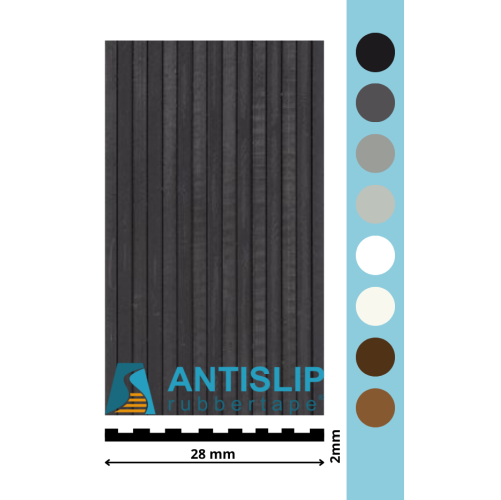
The anti-slip strip feels pleasant underfoot, is durable and is easy to clean. It is available in 8 different colors and can be cut easily with scissors or a knife. Thanks to the self-adhesive backing, you can apply the strips without any tools.
How to apply anti-slip strips in 4 steps
Cut the strip to size and draw a pencil line on the tread where the strip will go.
Degrease the tread with alcohol.
Let fresh paint dry for at least a week. Otherwise the adhesive can soften the paint, resulting in poor adhesion.
Stick the strip down and press it firmly with a small roller.
Want to know what to look for in terms of quality and price? Read my detailed blog anti-slip tape: what to look for, where I review the most commonly used anti-slip strips.
Routed-in strips: anti-slip strips set into the tread
Higher-end staircases traditionally have a routed-in strip. The stair builder routs a small groove into the tread, and a rubber or plastic anti-slip strip is pressed into it. The big advantage is that a worn strip is easy to replace.
If your stairs don’t have a groove yet, you’ll need to rout one yourself using a router with an edge-forming bit. This takes some DIY skill. If you’re not very handy, ask a handyman or an acquaintance for help. If you’d rather not spend much, a self-adhesive anti-slip strip is the quickest and easiest solution: stick it on and you’re safe straight away.
Stair tread pads: anti-slip and attractive
Stair tread pads (also known as crescent stair treads) are widely used to make stairs anti-slip. They come in many styles, colors, materials and quality levels. As well as providing grip, they stop the treads from wearing bare and create an attractive contrast with painted treads, giving your stairs a completely new look in no time.
Besides traditional fabric pads, there are now plastic stair tread pads in both opaque and transparent colors. Transparent pads are ideal if your stairs have already been renovated but still turn out to be too slippery: the color or finish of the tread stays visible. You can attach stair tread pads with glue or with the adhesive strips or stickers that usually come with them.
Which anti-slip solution suits your stairs?
Solution | Difficulty | Cost | Advantage |
|---|---|---|---|
Self-adhesive anti-slip strips | Easy | Low | Quick to apply, 8 colors |
Routed-in strips | Medium to hard | Medium | Easy to replace |
Stair tread pads | Easy | Low to medium | Grip plus a decorative look |
Want safe stairs quickly and cheaply? Choose anti-slip strips. With a few simple changes, you can make your stairs much safer.


Comments
Login to give reaction Your comment will be posted as soon as it is approved.